
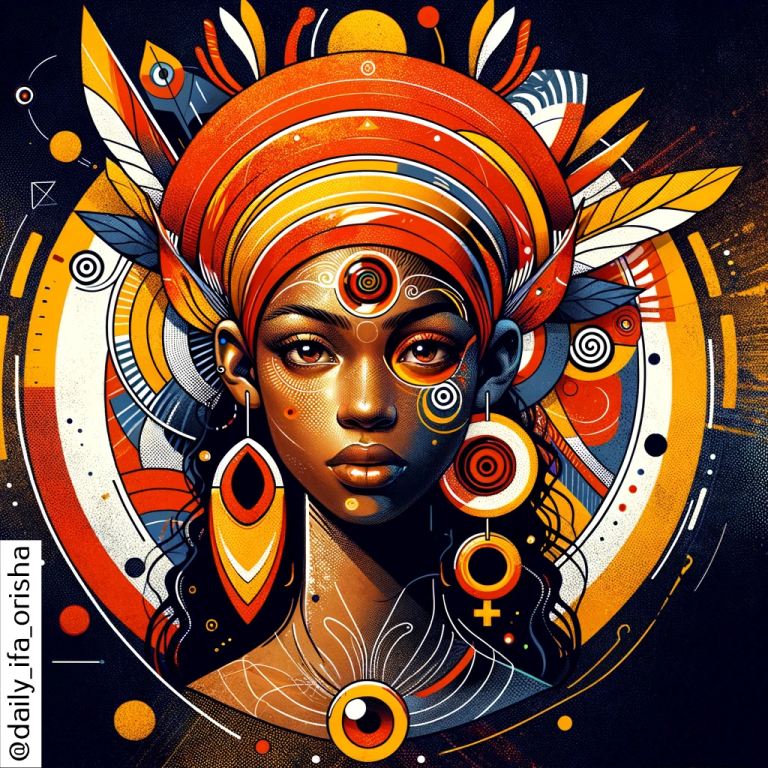
About ORISHÀ OBÁ
The Orishá of Marriage, Endurance, and Rivers in Yoruba and Santería Religions. Obá, an Orishá in the Yoruba and Santería religions, is a multifaceted deity with profound influences and associations. She is one of the wives of Shango and embodies various aspects of femininity and strength.
Obá's influence in a person's life is profound and diverse. She embodies the virtues of marital fidelity, the nurturing power of the river, and the strength of feminine endurance. As a guardian of morality and protector of wives, her presence offers guidance and support in maintaining harmonious marital relationships. Her association with hard work and self-sacrifice underscores the importance of dedication in both personal and professional realms. In the face of betrayal and sorrow, Obá offers consolation and the strength to overcome adversity, making her a powerful figure of resilience and fortitude in the Yoruba, Candomblé and Santería faiths.
About the ORISHÁ
Roles and
Influence
- Goddess of Marriage and Domesticity: Obá is revered as the epitome of marital fidelity and domestic virtues, embodying the values of marriage and home life.
- Goddess of the River: Like other female orishas, Obá is associated with the river, symbolizing the nurturing aspect of water and life-giving forces.
- Symbol of Female Endurance: Known for her endurance and strength in mythology, Obá is a symbol of female resilience.
- Patroness of Women: As a goddess of marriage and symbol of endurance, she is viewed as a patroness of women, particularly married women.
- Guardian of Feminine Morality: Obá represents virtues such as fidelity, patience, and fortitude, guarding feminine morality.
- Protector of Wives: Invoked as a protector of wives and the sanctity of marriage, Obá stands as a guardian figure in marital relationships.
- Goddess of Hard Work and Labor: She symbolizes the dedication involved in maintaining a household and caring for a family.
- Symbol of Self-Sacrifice: Often portrayed as self-sacrificing in myths, Obá is willing to endure hardship for her loved ones.
- Representative of Betrayal and Vengeance: Some myths depict her experiences of betrayal and her quest for vengeance, symbolizing the pain caused by betrayal.
- Goddess of Sorrow and Consolation: Known for her trials and suffering, Obá is also a goddess of consolation, offering strength in adversity.
Characteristics and Symbolism
- Symbols: Obá is represented by a sword, fan, bow and arrow, shield, and copper bow and arrow.
- Colors: Her colors are yellow, red, and brown, signifying various aspects of her nature.
- Natural Places: Raging rivers are significant to Obá, reflecting her connection to turbulent waters.
- Stones: Garnet, emerald, coral, tiger's eye, and ivory are stones associated with her.
- Metal: Copper is a metal linked to Obá.
- Health: She is connected to health issues related to hearing, the ear, and the throat.
- Weekday: Wednesday is her designated day.
- Element: Fire, raging rivers, battle, and war are elements associated with her.
- Animals/Offerings: Offerings to Obá include goat, chicken, guinea fowl, duck, and specific plants and foods like Ocimum basilicum, Dracaena, and Amalá.
- Syncretism: She is syncretized with St. Joan of Arc in some traditions.
- Commemoration Day: May 30th and 31st are days dedicated to her commemoration.
Key Manifestations (Aspects)
Obá (Obbá) manifests in various forms, including
- Obá Gideô
- Obá Lodê
- Obá Lokê
- Obá Lomyin
- Obá Syió
- Obá Terá
Sign-Up for free to your Weekly Newsletter.
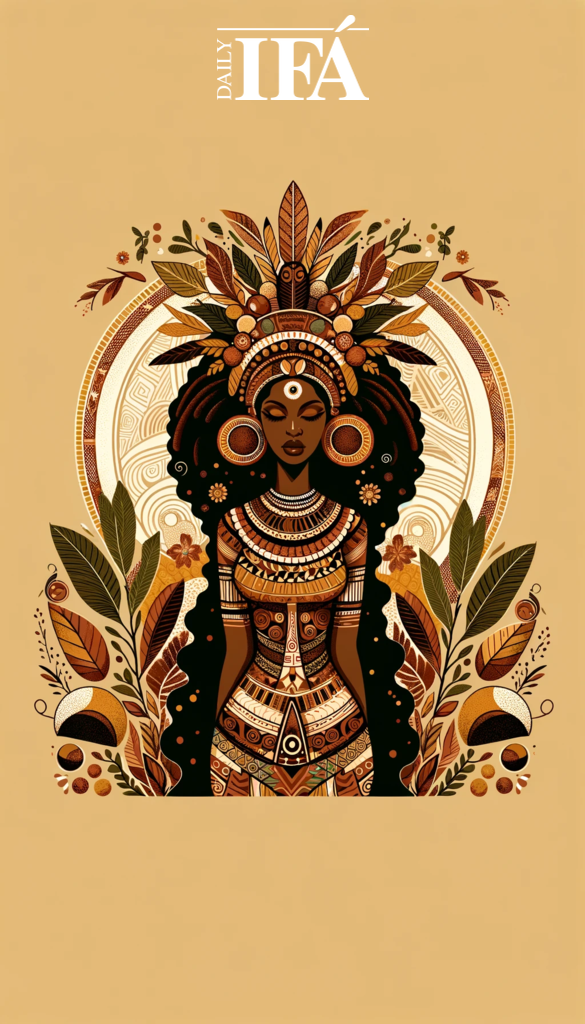
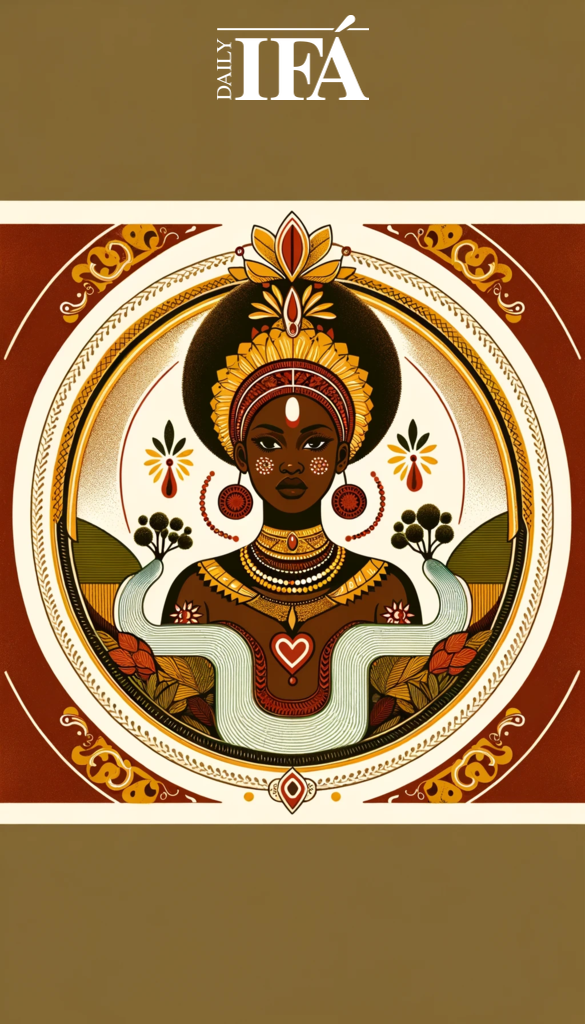
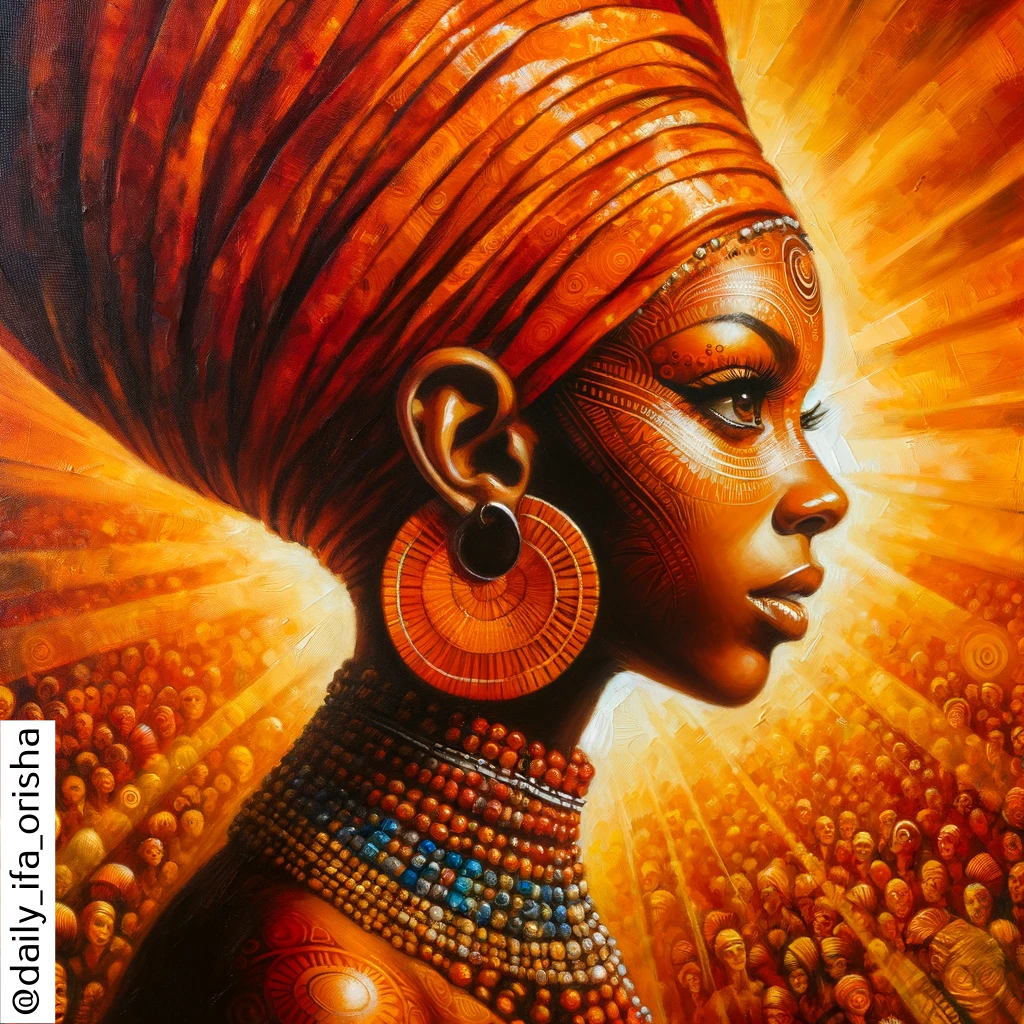
Illustrations of the Orishá

Wir benötigen Ihre Zustimmung zum Laden der Übersetzungen
Wir nutzen einen Drittanbieter-Service, um den Inhalt der Website zu übersetzen, der möglicherweise Daten über Ihre Aktivitäten sammelt. Bitte überprüfen Sie die Details in der Datenschutzerklärung und akzeptieren Sie den Dienst, um die Übersetzungen zu sehen.